
How Often Should You Paint the Exterior of Your Home in Colorado?
If you own a home in Colorado, your exterior paint has a big job to do.
Between intense sunshine, high UV exposure, snow, moisture, wind, and dramatic temperature changes, Colorado weather can be tough on a home's exterior. A quality paint job helps your home look its best, but it also provides an important layer of protection for the surfaces underneath.
So, how often should you repaint your home's exterior?
Quick Answer
There isn't one repainting schedule that applies to every Colorado home. The lifespan of exterior paint depends on the surface material, previous preparation and application, paint quality, sun and weather exposure, and the condition of the home.
Instead of relying on the calendar alone, homeowners should regularly look for fading, cracking, peeling, chalking, deteriorating caulk, and exposed surfaces.
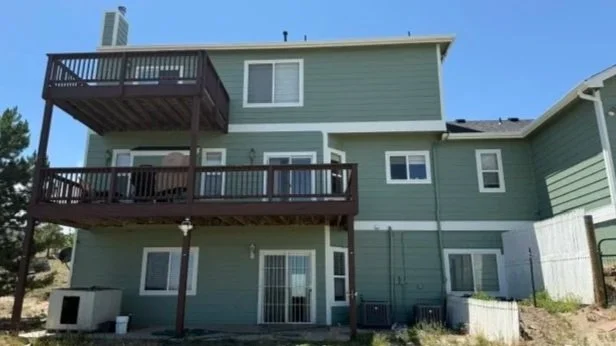
Why Colorado Homes May Need Extra Attention
Colorado's climate creates several challenges for exterior paint.
Intense Sun and UV Exposure
Colorado is known for its sunshine, but all that sun can take a toll on exterior finishes. UV exposure can gradually break down coatings and cause colors to fade.
You may even notice that the side of your home receiving the most direct sunlight looks significantly different from more shaded areas.
Temperature Changes
Colorado temperatures can fluctuate considerably, sometimes within a short period of time.
Building materials naturally expand and contract as temperatures change. Over time, that movement can contribute to cracking, separation, and other deterioration in exterior coatings and caulk.
Snow and Moisture
Paint helps protect exterior surfaces from moisture, which is especially important for wood.
If paint begins cracking or peeling, moisture can reach the surface underneath. Once bare wood is exposed, delaying maintenance may lead to additional deterioration and more extensive preparation or repair.
Wind and Severe Weather
Colorado homes can also experience wind, hail, blowing debris, and other severe weather. These conditions can gradually affect exterior surfaces and may create areas that need attention sooner than expected.
What Determines How Long Exterior Paint Will Last?
Two homes in the same neighborhood may not need to be repainted at exactly the same time.
Several factors can affect the lifespan of an exterior paint job.
The Surface Being Painted
Wood siding, stucco, fiber cement, masonry, trim, and other materials have different maintenance needs. Some surfaces may show deterioration sooner than others.
Previous Surface Preparation
A lasting exterior paint job starts long before the finish coat is applied.
Cleaning, scraping loose paint, addressing failed caulk, repairing damaged areas, priming when necessary, and properly preparing the surface can all affect how well the new coating performs.
Quality of the Paint and Application
The coating selected should be appropriate for the surface and conditions. Proper application also matters.
Even premium paint cannot compensate for a poorly prepared surface.
Sun Exposure
One side of your home may need attention before another. Areas receiving prolonged direct sunlight can fade and weather differently than shaded portions of the house.
The Condition of the Home
Existing moisture problems, deteriorating wood, failing caulk, and other exterior issues can affect how a paint system performs.
Don't Rely on Age Alone
Knowing when your home was last painted is helpful, but age shouldn't be the only factor in deciding when to repaint.
A better approach is to periodically walk around your home and look closely at the condition of the exterior.
Pay particular attention to:
Peeling or flaking paint
Cracks in painted surfaces
Significant fading
Powdery or chalky residue
Cracked or separated caulk
Bare or exposed wood
Areas that appear to retain moisture
Trim or siding that looks noticeably weathered
These signs can tell you more about the condition of your paint than the date of the previous paint job alone.
Is It Better to Repaint Before Paint Starts Peeling?
In many cases, yes.
Once paint is extensively peeling or bare surfaces are exposed, additional preparation may be necessary before repainting. That can include more scraping, sanding, priming, caulking, or repairs.
Addressing an aging exterior before widespread failure occurs can help maintain the protective coating and reduce the opportunity for the surfaces underneath to deteriorate.
Make Exterior Paint Part of Your Home Maintenance Routine
You don't need to wait until your home obviously needs a complete repaint to start paying attention to its exterior.
Regularly checking paint, caulk, trim, siding, and exposed wood can help you identify potential problems earlier.
And if you aren't sure whether what you're seeing is normal aging or a sign that it's time for new paint, getting a professional opinion can help.
Is It Time to Repaint Your Colorado Home?
At JTC Renovations, we believe homeowners deserve more than a great finished product. They deserve a better experience from start to finish.
Our team can evaluate your home's exterior, discuss what we're seeing, and help you understand the next steps for protecting and refreshing your home.
Not sure if it's time to repaint? Request a free estimate from JTC Renovations.