
What Happens If You Wait Too Long to Repaint Your House?
It's easy to put off an exterior paint project.
A little fading doesn't seem urgent. A small peeling spot can feel like something you'll deal with later. And if most of the house still looks fine, you may wonder whether repainting can wait another year.
Sometimes it can. But waiting until exterior paint has significantly deteriorated can turn a relatively straightforward maintenance project into one that requires considerably more preparation and repair.
Here's what homeowners should know about waiting too long to repaint.
Quick Answer
Exterior paint isn't just decorative. It also helps protect siding, trim, wood, and other exterior surfaces from sun and moisture. When paint begins to fail, those surfaces can become increasingly exposed to the elements.
Waiting too long to repaint can lead to more peeling, exposed wood, moisture intrusion, additional surface deterioration, and more extensive preparation before the home can be repainted.
Paint Is Part of Your Home's Protection
A fresh coat of paint certainly improves curb appeal, but appearance isn't its only job.
Exterior coatings create a barrier between your home's surfaces and the environment.
Over time, exposure to sunlight, moisture, wind, and changing temperatures gradually wears that barrier down. As the coating deteriorates, it may no longer protect the underlying surface as effectively.
That's why it's helpful to recognize the early signs of paint failure rather than waiting for widespread peeling.
Peeling Can Continue to Spread
A small area of peeling paint may not stay small.
When a coating loses adhesion to the surface beneath it, additional sections can begin cracking, flaking, or peeling.
Before new paint can be applied, loose and failing material needs to be properly addressed. The more widespread the failure becomes, the more preparation the project may require.
Bare Wood Can Become Exposed
This is one of the bigger reasons not to ignore failing exterior paint.
When paint peels away from wood siding, trim, fascia, or other components, the wood underneath becomes directly exposed to the elements.
Unprotected wood can absorb moisture. Over time, repeated moisture exposure can contribute to swelling, cracking, deterioration, or rot.
At that point, simply painting over the area isn't the solution. Damaged materials may need to be repaired or replaced before painting can begin.
Moisture Can Become a Bigger Problem
Exterior paint and caulk work together to help protect vulnerable areas of your home.
As paint deteriorates and caulk cracks or separates, moisture can find its way into places that were previously protected.
This doesn't mean every crack or peeling spot indicates serious moisture damage. But leaving compromised exterior surfaces unaddressed increases their exposure.
Catching problems earlier gives you an opportunity to address the cause before additional deterioration occurs.
Your Paint Project May Require More Preparation
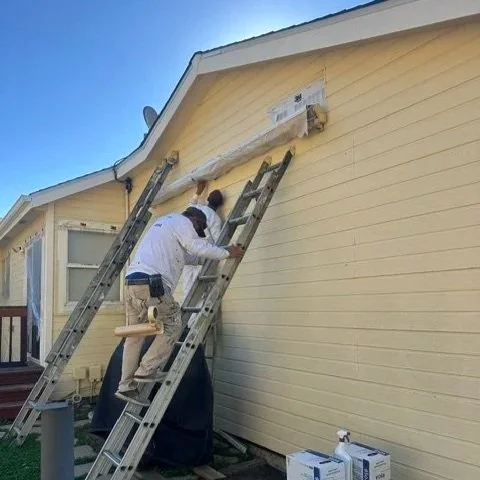
One of the biggest differences between repainting a weathered home and repainting a severely deteriorated one is often the amount of preparation required.
Depending on the condition of the surface, preparation may include:
Removing loose and peeling paint
Sanding rough transitions
Replacing failed caulk
Priming exposed surfaces
Addressing damaged wood
Preparing repaired areas for new coatings
Good preparation is essential because new paint needs a properly prepared surface to perform as intended.
Waiting until the existing coating has extensively failed may increase the work required before the first finish coat is ever applied.
Your Home Can Lose Curb Appeal
Protection is important, but appearance matters too.
Faded colors, peeling trim, exposed wood, and uneven finishes can make an otherwise well-maintained home look neglected.
If you're thinking about selling your home, improving curb appeal, or simply taking pride in how your property looks, addressing aging paint before it reaches that stage can make a significant difference.
Colorado Weather Doesn't Give Your Exterior Much of a Break
For Colorado homeowners, delaying exterior maintenance deserves additional consideration.
Strong UV exposure, changing temperatures, snow, moisture, wind, and severe weather can all contribute to exterior wear.
A compromised coating continues to face those conditions every day.
That's why the best time to think about repainting isn't necessarily when the old paint has completely failed. Ideally, you want to address deterioration while the existing coating is still doing most of its job.
When Should You Take Action?
You don't need to panic over one small imperfection. But it's worth taking a closer look if you're noticing:
Multiple areas of peeling or cracking
Bare wood
Significant fading
Failed or separating caulk
Powdery, chalky surfaces
Weathered siding or trim
Areas that repeatedly hold moisture
Paint deterioration that seems to be spreading
If you're seeing several of these signs, it may be time to have your home's exterior evaluated.
Don't Wait for Your Paint to Completely Fail
One of the best times to repaint your home is before widespread paint failure occurs.
Addressing an aging exterior at the right time can help protect the underlying surfaces, limit additional deterioration, and keep your home looking well maintained.
At JTC Renovations, we manage every step of the painting process from start to finish, with a focus on quality workmanship, clear communication, and a better experience for our clients.
Seeing signs that your exterior paint may be reaching the end of its life?